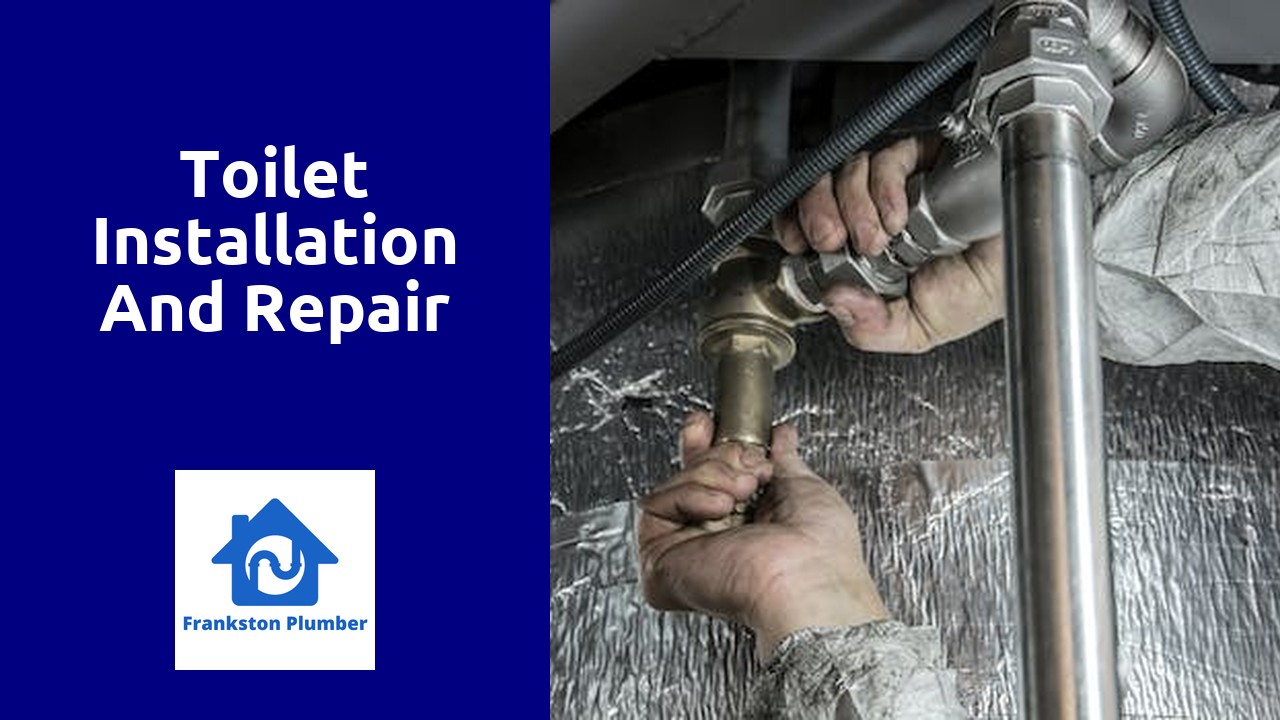
Toilet installation and repair
Frankston Plumber offers an exceptional range of toilet installation and repair services. Our highly trained and experienced team specializes in providing efficient and reliable solutions for all your toilet needs. Whether you require a new toilet installation or need repairs for an existing one, we guarantee the highest quality service. Our professionals are equipped with the latest tools and techniques to perform installations with precision and ensure optimal functionality. In case of any toilet malfunctions, our expert plumbers promptly diagnose the issue and deliver effective repairs that withstand the test of time. We understand the urgency of toilet problems and strive to offer quick response times, ensuring minimal disruption to your daily routine. When it comes to toilet installation and repair, Frankston Plumber is your trusted partner for exceptional service and customer satisfaction.
Ensuring Smooth Operations: How to Keep Your Bathroom Functional
Everyone wants a bathroom that functions smoothly, without any hiccups or interruptions. To ensure that your bathroom stays functional and hassle-free, there are a few key steps that you can take. The first is to regularly inspect your plumbing system for any leaks, clogs, or other potential issues. Pay attention to the water pressure and temperature, as well as the drainage of sinks, showers, and toilets. If you notice any unusual changes or problems, it’s important to address them promptly to prevent further damage and inconvenience.
In addition to regular inspections, proper maintenance is essential for keeping your bathroom in top shape. This includes cleaning the fixtures and drains regularly to prevent buildup and clogs. Use mild cleaners to avoid damaging the surfaces and be sure to rinse thoroughly. It’s also a good idea to periodically check the seals around your toilets, showers, and sinks to ensure that they are tight and in good condition. By staying on top of these tasks, you can promote smooth operations in your bathroom and reduce the likelihood of experiencing any plumbing mishaps.
Avoiding Plumbing Mishaps: Tips for a TroubleFree Bathroom
A trouble-free bathroom is a coveted space for all homeowners. Avoiding plumbing mishaps is crucial to maintaining the functionality and tranquility of this essential room. Here are some tips to help you create a trouble-free bathroom.
Firstly, regular maintenance is key to preventing plumbing emergencies. Make it a habit to inspect your bathroom fixtures and pipes for any signs of leaks, corrosion, or clogs. Addressing these issues in their early stages can save you from costly repairs down the line. Additionally, be mindful of what you flush down the toilet or pour down the drains. Avoid flushing anything other than toilet paper and human waste, as items like wet wipes, feminine products, and grease can cause blockages. By taking these proactive steps, you can greatly reduce the risk of plumbing mishaps in your bathroom.
Saving Money and the Environment: Efficient Bathroom Fixtures
With rising concerns about the environment and increasing utility costs, it is more important than ever to make your bathroom fixtures efficient. By choosing the right fixtures, you can not only save money on your monthly utility bills but also reduce your environmental footprint.
One of the most effective ways to achieve efficiency in your bathroom is by installing low-flow toilets and showerheads. These fixtures are designed to use less water without sacrificing performance. Low-flow toilets typically use around 1.28 gallons of water per flush, compared to the older models that used 3.5 gallons or more. Similarly, low-flow showerheads use less water per minute, helping you conserve water while still enjoying a refreshing shower. By making this simple switch, you can save both water and money without compromising on comfort.
The Science Behind a WellMaintained Bathroom: Understanding Plumbing Systems
Understanding the plumbing systems in your bathroom is essential for maintaining a well-functioning and efficient space. A plumbing system consists of a complex network of pipes, valves, fixtures, and fittings that work together to ensure the proper flow of water and waste. The main components of a plumbing system include supply lines, drainage pipes, and ventilation systems.
Supply lines are responsible for delivering clean water to your fixtures, such as faucets, showers, and toilets. These lines are typically made of copper, PVC, or PEX pipes and are connected to a main water supply source. Proper installation and maintenance of supply lines are crucial to avoid leaks, bursts, or water contamination.
On the other hand, drainage pipes are designed to carry wastewater away from your bathroom and into the sewer or septic system. These pipes are usually made of PVC or cast iron and are inclined to allow gravity to move the waste downward. Clogs or blockages in the drainage pipes can lead to slow draining or backups, causing unpleasant odors and potential water damage.
Additionally, ventilation systems play a vital role in keeping your bathroom odor-free and preventing the buildup of moisture, which can lead to mold and mildew growth. Ventilation systems use exhaust fans or openable windows to remove humid air and odors from the bathroom, ensuring a healthy and comfortable environment.
Maintaining a well-functioning plumbing system requires regular inspections, proper installation, and timely repairs. It is important to understand the science behind your bathroom's plumbing system, so you can address any issues promptly and avoid major plumbing mishaps in the future.
DIY Bathroom Upgrades: Enhancing Your Space with Style and Function
When it comes to upgrading your bathroom, there are countless ways to enhance both its style and function. From small changes to major renovations, there is a DIY project for every budget and skill level. One of the easiest and most cost-effective upgrades is to update the fixtures in your bathroom. Swapping out old faucets, showerheads, and towel bars can instantly give your bathroom a fresh, modern look. Additionally, installing energy-efficient fixtures can help you save money on your water bill and reduce your environmental impact.
Another popular DIY bathroom upgrade is to paint the walls. A fresh coat of paint can completely transform the look and feel of a space, and the bathroom is no exception. Choose a color that complements the existing fixtures and decor in your bathroom, or opt for a bold, statement color for a more dramatic effect. Don't forget to properly prepare the surfaces before painting and consider using paint with a mold and mildew resistant finish to combat the moisture typically found in bathrooms. With just a few hours of work and a minimal investment, you can create a whole new atmosphere in your bathroom.
Troubleshooting Bathroom Woes: Common Issues and Quick Fixes
One common issue that homeowners often face in their bathrooms is a clogged drain. This can be frustrating, as it can cause water to back up in the sink or shower, leading to standing water and potential water damage. Luckily, there are some quick fixes that can help unclog a drain and get things flowing smoothly again. One option is to use a plunger to create suction and dislodge any debris that may be causing the blockage. Simply place the plunger over the drain, ensuring a good seal, and then rapidly push and pull to create pressure. In many cases, this can be enough to clear the clog and restore proper drainage. Another option is to try a drain snake, which is a flexible tool that can be inserted into the drain to break up and remove any debris. By twisting and turning the snake, you can maneuver it through the pipe and hopefully dislodge the clog. If these methods don't work, it may be necessary to call a plumber to address the issue. They have specialized tools and expertise to tackle even the toughest clogs.
Another common bathroom woe is a leaky faucet. Not only can a dripping faucet be an annoying sound that keeps you up at night, but it can also waste a significant amount of water over time. Fortunately, fixing a leaky faucet is often a simple task that can be done without the help of a plumber. The most common cause of a leaky faucet is a worn-out washer, which can easily be replaced. Start by turning off the water supply to the faucet, then use a wrench to remove the handle and access the valve stem. From there, you can remove the old washer and replace it with a new one. Make sure to choose the correct size and type of washer for your faucet. Once the washer is replaced, reassemble the faucet and turn the water supply back on to check for any leaks. If you're unsure about tackling this repair yourself, it's always a good idea to consult a professional plumber. They can diagnose the issue and provide expert guidance on the best course of action.
FAQ
How do I know if my toilet needs to be repaired or replaced?
There are a few signs to look out for. If your toilet frequently clogs, leaks, has a weak flush, or constantly runs, it may be time for repairs or replacement.
Can I install a new toilet myself?
Yes, installing a new toilet is a relatively simple task that many homeowners can do themselves. However, if you are unsure or uncomfortable, it is always best to hire a professional plumber for installation.
How long does it typically take to install a new toilet?
The time required for toilet installation can vary depending on your experience and the complexity of the job. On average, it can take between one to two hours.
How often should I have my toilet inspected for potential issues?
It is recommended to have a professional plumber inspect your toilet at least once a year to catch any potential issues before they become major problems.
How can I prevent my toilet from clogging?
To prevent clogs, avoid flushing excessive amounts of toilet paper, feminine hygiene products, or other objects. Regularly cleaning your toilet and using a plunger at the first sign of a clog can also help prevent major blockages.
What should I do if my toilet is leaking water?
If you notice water pooling around the base of your toilet, it is likely due to a faulty wax ring or a loose connection. In this case, you should contact a plumber to properly diagnose and fix the issue.
How can I conserve water with my toilet?
You can save water by choosing a toilet with a dual flush mechanism, which allows you to use less water for liquid waste and more for solid waste. Additionally, repairing any leaks promptly and using water-saving devices like toilet tank bags or adjustable flappers can help conserve water.
What should I do if my toilet keeps running?
If your toilet continues to run after flushing, it is usually caused by a faulty flapper or fill valve. You can try adjusting the chain length or replacing these parts yourself, or you can contact a plumber for assistance.
Is it possible to upgrade the style of my toilet without replacing it?
Yes, there are various ways to upgrade the style of your toilet without replacing it. You can replace the toilet seat, add a decorative toilet handle, or apply a new coat of paint to the tank and bowl.
Can I use any type of toilet cleaner?
It is best to use non-abrasive and non-acidic toilet cleaners to avoid damaging the porcelain surface of your toilet. Always follow the manufacturer's instructions and consider using environmentally friendly cleaners for a more sustainable option.
Related Links
How much does it cost to install and remove a toilet?How much does it cost to fix a toilet system?
How much does it cost to install plumbing for a toilet?
How much does it cost to replace a toilet Australia?