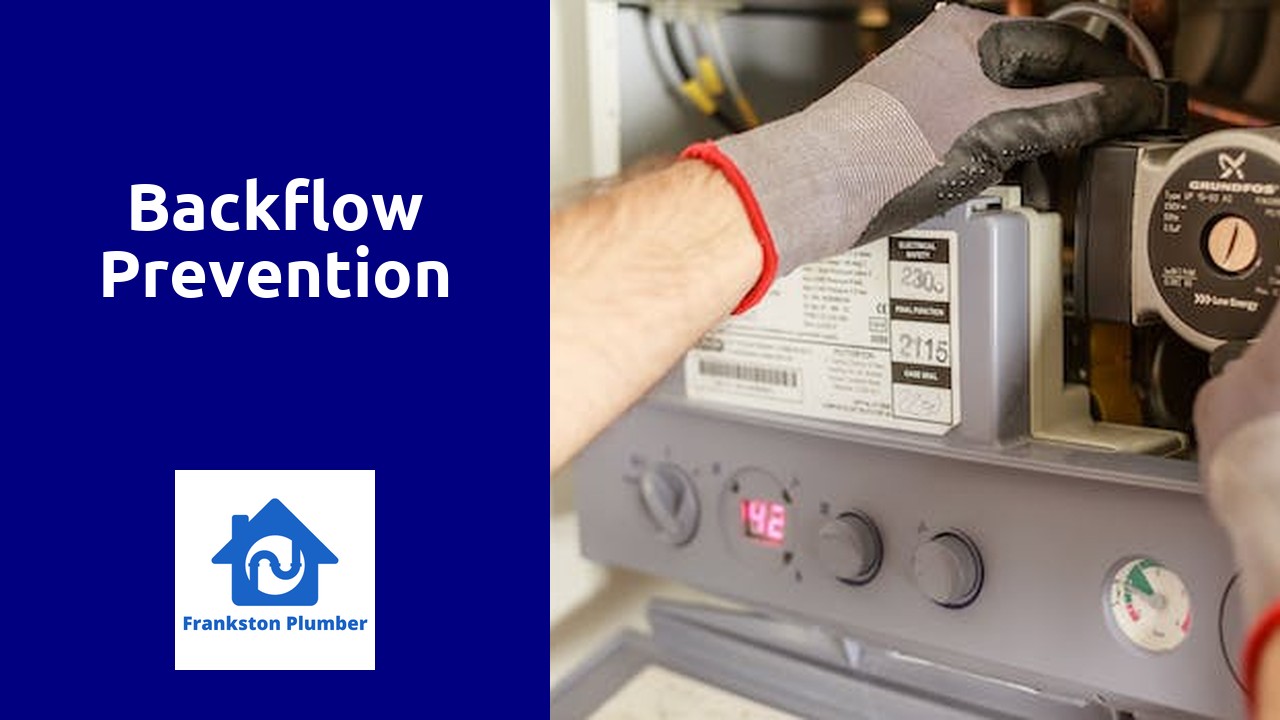
Backflow prevention
Frankston Plumber provides a comprehensive service in regards to "Backflow prevention." Backflow prevention is crucial in maintaining the safety and purity of the water supply. Frankston Plumber specializes in installing, maintaining, and testing backflow prevention devices to prevent the unwanted reversal of water flow, which can lead to contaminated water entering the potable water supply. By adhering to regulations and following the guidelines set forth by local authorities, Frankston Plumber ensures that all backflow prevention systems are installed correctly and regularly maintained to guarantee their effectiveness. Their team of certified professionals possesses extensive knowledge and expertise in backflow prevention, ensuring the highest standards of service and compliance with regulations. With their reliable and efficient services, Frankston Plumber guarantees the safety and quality of the water supply for their customers.
The Importance of Maintaining Water Quality
Water is an essential resource that plays a crucial role in our daily lives. From drinking and cooking to bathing and cleaning, we rely on a clean and safe water supply for our basic needs. That's why it is of utmost importance to maintain the quality of our water. By ensuring that our water is free from contaminants, we can protect the health and well-being of ourselves and our families.
Contaminated water can have severe consequences on our health. It can lead to various waterborne diseases, including diarrhea, cholera, and dysentery. These illnesses can cause dehydration, malnutrition, and even death, particularly in vulnerable populations such as children and the elderly. Additionally, contaminated water can also have detrimental effects on the environment, harming aquatic life and disrupting ecosystems. Therefore, it is crucial that we take the necessary steps to maintain the quality of our water and prevent contamination.
Avoiding Contamination: Understanding Water Flow
Water flow plays a crucial role in maintaining the quality of our water supply. Understanding how water moves through our plumbing systems is essential in avoiding contamination. When water enters our homes, it follows a designated path. It travels through various pipes, valves, and fixtures before reaching our faucets. By familiarizing ourselves with the flow of water and the potential areas of contamination, we can take proactive measures to safeguard our water supply. Monitoring the direction and speed of water flow can help us identify any abnormalities or potential issues that may arise in our plumbing systems.
Navigating the Challenges of Plumbing Systems
Navigating the challenges of plumbing systems can be a daunting task for any homeowner. From repairing leaks and clogs to ensuring proper water pressure, there are many intricacies involved in maintaining a functional plumbing system. It requires both knowledge and skill to tackle these challenges effectively, making it crucial to seek professional assistance when needed.
One of the main challenges faced by homeowners is the unpredictability of plumbing issues. Plumbing problems can arise suddenly and unexpectedly, causing inconvenience and sometimes even damage to the property. A minor leak, if left unaddressed, can quickly escalate into a major issue, leading to costly repairs. Therefore, taking a proactive approach to plumbing maintenance is essential in order to prevent such challenges from occurring in the first place. Regular inspections, timely repairs, and proper maintenance can go a long way in ensuring the longevity and efficiency of a plumbing system. By being aware of the challenges and addressing them promptly, homeowners can minimize the risks associated with plumbing problems and ensure the smooth functioning of their plumbing systems.
Safeguarding Your Water Supply: A Proactive Approach
When it comes to safeguarding your water supply, taking a proactive approach is essential. Waiting until there is a problem with your water quality can lead to costly repairs and health risks. By being proactive, you can prevent contamination and ensure that your water is safe for consumption and everyday use.
One of the first steps in a proactive approach to safeguarding your water supply is regular testing. Testing your water on a regular basis can help detect any potential issues before they become major problems. Whether you rely on a private well or a public water system, regular testing can provide valuable insights into the quality of your water. This can include checking for contaminants such as bacteria, heavy metals, or pesticides. By identifying any issues early on, you can take the necessary steps to fix them promptly and prevent further contamination.
Protecting Your Home from Water Backflow
Water backflow is a potential hazard that can pose serious risks to the safety and quality of your home's water supply. It occurs when there is a reversal of water flow in the plumbing system, causing contaminated water to flow back into the clean water supply. This can happen due to several reasons such as back siphonage or backpressure. The consequences of water backflow can range from minor inconveniences like foul odors and taste to more severe health problems due to the presence of harmful bacteria or chemicals in the water.
Common Causes of Water Backflow and How to Address Them
Water backflow occurs when the normal flow of water is reversed, causing contaminated water to enter the clean water supply. This can pose serious health risks and should be addressed promptly. One common cause of water backflow is a sudden drop in water pressure. This can happen when there is a burst pipe or a malfunctioning water pump. To address this issue, it is important to quickly locate and repair the damaged pipe or replace the faulty pump. Regular maintenance and inspection of the plumbing system can also help prevent such problems from occurring in the first place. Additionally, installing a backflow prevention device can provide an added layer of protection and reduce the risk of contamination.
Another cause of water backflow is cross-connection. This occurs when there is a direct connection between the clean water supply and a source of contamination, such as a garden hose submerged in a pool or a sprinkler system connected to an industrial chemical supply. To address this issue, it is crucial to identify and eliminate any potential cross-connections. This can be done by installing air gaps or backflow prevention devices at critical points, such as the point of entry for the water supply. Regular testing and maintenance of these devices are necessary to ensure their proper functioning and effectiveness in preventing water backflow. Additionally, educating homeowners and businesses about the importance of avoiding cross-connections and practicing safe plumbing practices can help reduce the risk of water contamination through backflow.
FAQ
What is backflow prevention?
Backflow prevention refers to the measures taken to prevent the reversal of water flow in a plumbing system, which can lead to contamination of the water supply.
Why is maintaining water quality important?
Maintaining water quality is crucial to ensure the safety and health of individuals. Contaminated water can cause various diseases and health hazards.
How does understanding water flow help in avoiding contamination?
Understanding water flow helps identify potential points of contamination and enables the implementation of preventive measures, such as backflow prevention devices, to safeguard the water supply.
What challenges are faced in navigating plumbing systems?
Plumbing systems can be complex, and understanding the various components and connections is essential to identify potential backflow issues and address them effectively.
How can a proactive approach safeguard our water supply?
Taking proactive measures, such as regular maintenance of plumbing systems and installation of backflow prevention devices, can help prevent backflow incidents and protect the water supply from contamination.
How can I protect my home from water backflow?
To protect your home from water backflow, it is recommended to install backflow prevention devices, conduct regular inspections, and ensure proper maintenance of your plumbing system.
What are some common causes of water backflow and how can they be addressed?
Common causes of water backflow include sudden changes in water pressure, cross-connections, and back-siphonage. These issues can be addressed by installing appropriate backflow prevention devices and conducting regular inspections to identify and rectify any potential problems.
Related Links
Are backflow preventers worth it?Why does my house have a backflow preventer?
What is the most reliable backflow prevention device?
What is the most effective way to prevent backflow?